
Coffee roasting has a major influence on how a cup tastes. The degree of roasting affects acidity, bitterness, aroma, body, and the extent to which characteristics associated with the original coffee remain noticeable. For people exploring light roasted coffee beans, the appeal often comes from their brighter and more distinctive flavor profiles rather than the heavier roasted character associated with darker coffees.
Light roasting generally produces beans with a lighter brown appearance and little or no surface oil. More importantly, roast level changes the chemistry and sensory characteristics of the finished coffee. Research discussed by the Specialty Coffee Association indicates that roast degree is one of the strongest drivers of perceived flavor differences in brewed coffee.
What Makes a Coffee a Light Roast?
There is no single universally applied visual boundary separating light, medium, and dark coffee. The Specialty Coffee Association has noted that even experienced professionals can classify the same beans differently by appearance alone, which is one reason objective roast-color measurements are useful.
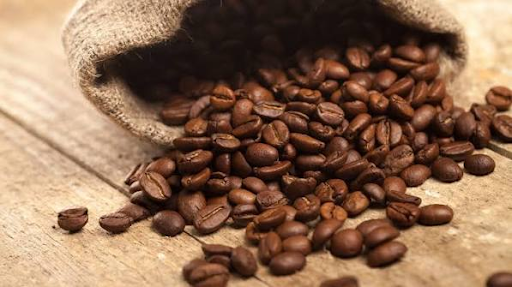
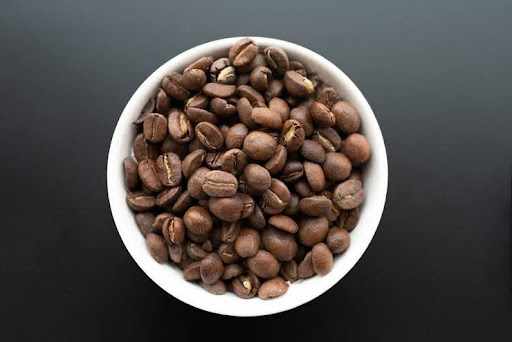
Generally, a light roast is characterized by a lighter brown color and a lack of visible oil on the bean's surface. Government coffee specifications similarly describe light-roasted beans as light brown and generally without surface oil.
The roasting process stops earlier than it does for darker roasts. As a result, more of the coffee's origin-related characteristics can remain perceptible in the cup.
This does not mean that every light roast tastes the same. Variety, growing conditions, processing method, origin, roast profile, development time, grinding, and brewing all contribute to the final flavor.
What Do Light Roasted Coffee Beans Taste Like?
One of the defining characteristics of light roasted coffee beans is their potential for pronounced acidity and fruit-forward or floral flavor notes.
Research published by the Specialty Coffee Association found that its lightest roast samples were associated with higher perceptions of acidity and dried-fruit characteristics, while darker roasting increased perceptions of bitterness and roasted flavors and reduced perceived acidity and fruitiness.
Depending on the coffee, a light roast may present notes such as:
Citrus
Berries
Dried fruit
Stone fruit
Floral aromas
Brown sugar
Honey
Tea-like characteristics
Herbal or spice notes
These descriptions are sensory references rather than added ingredients. When a coffee is described as having citrus or floral notes, it means those characteristics may be perceived during tasting.
Acidity Does Not Necessarily Mean Sourness
Acidity is frequently misunderstood when discussing coffee.
In specialty coffee evaluation, acidity can contribute brightness, complexity, and structure. It is different from an unpleasant sour taste caused by poor extraction.
The Specialty Coffee Association's research on brewed coffee shows that brewing conditions can substantially influence perceived sourness and that extraction plays an important role in how acidity is experienced.
A well-extracted light roast can therefore taste bright and lively rather than simply sour.
If a cup tastes sharply sour, thin, or underdeveloped, the problem may be related to extraction rather than the roast level itself. Grind size, water temperature, brewing time, and coffee-to-water ratio can all influence the result.
Why Light Roasts Can Be More Challenging to Brew
Light roasted coffee beans generally retain a denser structure than beans that have undergone longer roasting. This can make extraction more demanding.
When coffee is under-extracted, the resulting cup may taste sour, thin, or lacking in sweetness. Adjusting the grind, water temperature, contact time, or brewing method can help increase extraction.
A common approach is to use relatively hot water and a grind setting appropriate for the brewing method. A recent brewing guide for light-roast pour-over coffee, for example, recommends approximately 205°F (96°C), a medium-fine grind, and a coffee-to-water ratio around 1:16 to 1:17 as a starting point.
These are starting parameters rather than universal rules. Different beans and brewing equipment can require different adjustments.
Choosing a Brewing Method
The brewing method can significantly change how a light roast expresses itself.
Pour-Over
Pour-over brewing gives the brewer control over water flow, saturation, and brewing time. This can make it useful for highlighting delicate flavors and acidity.
Automatic Drip
A quality drip brewer can produce a balanced cup while requiring less manual involvement. Consistency in water temperature and flow is particularly useful when comparing different coffees.
French Press
Immersion brewing typically produces a fuller mouthfeel and can soften some of the sharper characteristics associated with a bright coffee. A coarser grind is generally used compared with pour-over brewing.
Espresso
Light roasts can also be used for espresso, although they may require careful dialing-in. Adjustments to grind size, dose, yield, and extraction time can significantly affect the balance between acidity, sweetness, and bitterness.
How Freshness Affects Coffee
Roasting does not mark the end of coffee's flavor development. Once roasted, beans gradually interact with oxygen, while volatile compounds responsible for aroma can dissipate over time.
For this reason, the roast date can be more informative than simply seeing a vague freshness claim on packaging.
Freshness should also be considered alongside storage. Exposure to oxygen, heat, moisture, and light can accelerate quality loss. Keeping whole beans in a well-sealed container away from heat and direct sunlight can help preserve their sensory characteristics.
Grinding immediately before brewing also reduces the amount of time the coffee's larger surface area is exposed to oxygen.
Whole Beans or Pre-Ground Coffee?
For light roasted coffee beans, grinding shortly before brewing can be particularly useful when trying to preserve aroma and adjust extraction.
Whole beans give the brewer control over grind size. This matters because different brewing methods require different particle sizes.
Pre-ground coffee can still be convenient, but its ideal grind depends on the intended brewing method. Once ground, coffee has considerably more surface area exposed to the surrounding environment, making appropriate storage and timely use more important.
If a light roast tastes weak or sour, changing the grind may be more effective than immediately changing the coffee itself.
How Roast Level Changes Flavor
Roast level should be understood as a spectrum rather than a simple quality ranking.
Lighter roasting tends to preserve more acidity and fruit-related characteristics, while darker roasting generally increases roasted, bitter, and heavier flavor impressions. The Specialty Coffee Association's research supports this relationship between roast degree and sensory attributes.
Neither style is inherently better. Preference depends on what the drinker wants from the coffee.
Someone who enjoys berry, citrus, floral, or tea-like flavors may prefer a lighter roast. Someone looking for stronger roasted, cocoa-like, or bittersweet characteristics may prefer a darker roast.
Understanding Flavor Notes on Coffee Labels
Flavor notes can help consumers predict the general character of a coffee, but they should not be interpreted as guarantees.
The Specialty Coffee Association's coffee vocabulary includes categories such as fruity, floral, citrus, dried fruit, nutty, cocoa, spice, brown sugar, and vanilla.
When comparing light roasted coffee beans, look beyond individual tasting notes and consider the overall description. A coffee described as citrus-forward may be noticeably brighter than one described around cocoa, caramel, or nuts even if both are technically light roasted.
Origin and processing information can also provide useful context, but tasting remains the most reliable way to determine personal preference.
Common Brewing Mistakes
Several adjustments can make a significant difference when brewing a lighter roast.
Using water that is too cool: Insufficient heat can make extraction more difficult and may produce a thin or sour cup.
Grinding too coarsely: Larger particles generally extract more slowly, which can contribute to under-extraction.
Brewing too quickly: Short contact time may leave desirable soluble compounds behind.
Changing too many variables at once: Adjusting one variable at a time makes it easier to identify what improves the cup.
Assuming darker means stronger: Roast intensity and beverage strength are not identical. Strength also depends on the coffee-to-water ratio and extraction.
Conclusion
Light roasted coffee beans offer a way to explore coffee through brighter acidity, fruit, floral aromas, sweetness, and origin-related characteristics. Their lighter roast profile can preserve sensory attributes that become less prominent as roasting progresses, but brewing technique plays an equally important role in how those characteristics appear in the cup. For those comparing options such as Lark coffee, the most useful approach is to examine the roast description, roast date, origin information, tasting notes, and intended brewing method before deciding whether the coffee matches their preferences.


Write a comment ...