
Coffee roasting has a significant influence on how beans develop their aroma, acidity, sweetness, body, and overall flavor. While green coffee's origin and processing establish much of its potential, roasting determines how those characteristics are developed for brewing. The scale and approach of roasting can also influence how carefully individual lots are handled. Understanding small-batch roasted coffee can help coffee drinkers appreciate why roast freshness, bean selection, roast profiling, and brewing all matter when choosing specialty coffee.
What Is Small-Batch Coffee Roasting?
Small-batch roasted coffee refers to producing coffee in relatively limited quantities rather than roasting very large volumes at once. The exact batch size varies between roasters, so there is no single industry-wide definition of "small batch."
The approach allows roasters to work more closely with individual coffees and adjust roasting parameters according to the characteristics of a particular lot. Factors such as bean density, moisture, processing method, variety, and origin can influence how coffee responds to heat.
Rather than applying one identical roast profile to every coffee, a roaster can develop a profile intended to bring out the characteristics of each specific bean.
Why Roast Size Can Matter
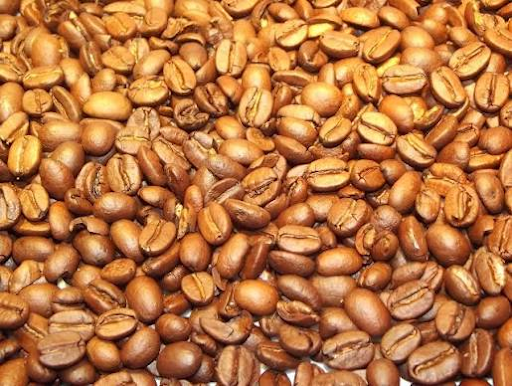
Small-batch roasted coffee is a controlled application of heat. During the process, green coffee beans undergo physical and chemical changes that produce the aromas and flavors associated with roasted coffee.
Different coffees can respond differently to the same roasting conditions. Bean size, density, moisture content, processing method, and variety can all influence heat transfer and roast development.
Smaller batches can give a roaster greater flexibility when testing and refining profiles. This is particularly useful for specialty coffees that have distinctive sensory characteristics and may require more careful roast development.
The objective is not simply to roast the beans until they become brown. A carefully developed profile aims to balance sweetness, acidity, body, aroma, and other characteristics that contribute to the final cup.
Freshness and the Roasting Date
Freshness is an important consideration when buying roasted coffee, but "fresh" does not simply mean coffee roasted as recently as possible.
Small-batch roasted coffee continues to release carbon dioxide, a process known as degassing. The Specialty Coffee Association explains that carbon dioxide loss occurs rapidly during the first several days and weeks after roasting, while the rate slows over time. Oxidation also becomes increasingly relevant as protective carbon dioxide leaves the beans.
This is why a roast date can be more useful than a generic "freshly roasted" claim. Whole-bean coffee generally retains its characteristics longer than ground coffee because grinding dramatically increases the surface area exposed to oxygen.
Storage also matters. Coffee should be protected from excessive heat, moisture, oxygen, and light to help preserve its flavor.
How Small-Batch Roasting Influences Flavor
Roasting affects the balance between acidity, sweetness, body, bitterness, and aroma. A lighter roast generally preserves more of the sensory characteristics associated with the coffee's origin, while darker roasting tends to emphasize roast-derived flavors and reduce some origin-specific characteristics.
The ideal profile depends on the coffee and the intended result. A delicate floral coffee may require a different approach from a dense, naturally processed coffee with pronounced fruit characteristics.
Small-batch roasting gives roasters an opportunity to monitor individual lots closely and make adjustments during profile development. This can be particularly valuable for rare or unusual varieties whose physical characteristics differ from more common commercial coffees.
The Role of Coffee Variety
Coffee variety is another important factor in flavor. Arabica coffee includes numerous varieties and genetic populations, each with different characteristics and growing requirements.
Some varieties have become particularly sought after in specialty coffee because of their unusual cup profiles or limited production. Wush Wush is one example. Originally associated with the Wushwush area of southwestern Ethiopia, the variety is now also cultivated in countries including Colombia.
Because Wush Wush can display distinctive fruity and floral characteristics, roasting it requires attention to the qualities that make the particular lot unique.
Understanding Wush Wush Coffee
Wush Wush coffee is associated with a relatively rare coffee variety originating from Ethiopia. It has gained recognition in specialty coffee because of its distinctive sensory potential and limited availability.
The variety has been reported in Colombia, where growing conditions can produce delicate, fruity, and floral profiles. Reported tasting characteristics can include notes such as blueberry, vanilla, maple, and lavender, although the actual cup profile varies according to origin, processing, growing conditions, and roasting.
This variability is important. A coffee variety does not guarantee one fixed flavor profile. Environmental conditions, agricultural practices, processing, fermentation, storage, and roasting all contribute to the final cup.
How Processing Affects Specialty Coffee
Processing begins after coffee cherries are harvested and influences the characteristics of the green beans before roasting.
Washed processing removes the fruit from the coffee seed before drying and often produces coffees associated with cleaner and more pronounced acidity. Natural processing dries the coffee cherry with the seed inside, which can contribute fruit-forward flavors and greater perceived sweetness and body.
Experimental fermentation and other processing techniques are also increasingly used with specialty coffees. Wush Wush has been associated with experimental processing because producers and processors have explored ways to emphasize its distinctive fruit characteristics.
The roasting process then needs to complement the characteristics created during processing rather than overpower them.
Why Whole Beans Can Be a Good Choice
Buying whole beans provides greater control over when coffee is ground. Once coffee is ground, its increased surface area accelerates the loss of volatile compounds and carbon dioxide.
The Specialty Coffee Association notes that ground coffee loses carbon dioxide much faster than whole beans. It suggests that the freshness window after grinding is substantially shorter than for whole-bean coffee.
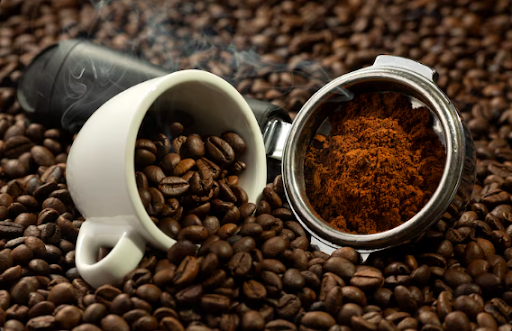
Grinding immediately before brewing can therefore help preserve more of the coffee's aroma and flavor. A quality burr grinder can also produce a more consistent particle size, which is useful for achieving balanced extraction.
Choosing Coffee for Different Brewing Methods
The brewing method should also influence coffee selection. Pour-over brewing can highlight acidity, floral aromas, and delicate fruit notes. Espresso emphasizes concentration, body, sweetness, and texture. French press and other immersion methods can produce a fuller-bodied cup.
A small-batch coffee can be brewed using different methods, but grind size, water temperature, coffee-to-water ratio, and extraction time should be adjusted according to the coffee and brewing method.
Experimenting with these variables can reveal different characteristics in the same beans.
How to Store Roasted Coffee
Proper storage helps slow flavor deterioration after roasting. Coffee should generally be kept in an airtight container in a cool, dry place away from direct sunlight and strong odors.
Buying smaller quantities can also be useful because it allows coffee to be consumed closer to its roast date instead of keeping a large supply open for an extended period.
Grinding only the amount needed for each brewing session can further reduce unnecessary exposure to oxygen.
Conclusion
Small-batch roasting offers roasters greater opportunities to work carefully with individual coffees and develop profiles suited to their physical and sensory characteristics. Freshness, roast development, processing, variety, grinding, brewing, and storage all contribute to the final cup, so no single factor determines coffee quality. Rare varieties demonstrate why this approach can be valuable, as their distinctive characteristics may benefit from thoughtful roasting and brewing. For coffee drinkers interested in exploring unusual specialty profiles, wush wush coffee provides an intriguing example of how variety, origin, processing, and roasting can combine to create a distinctive coffee experience.



Write a comment ...